

Nature can be cruel. Friends can be crueler.
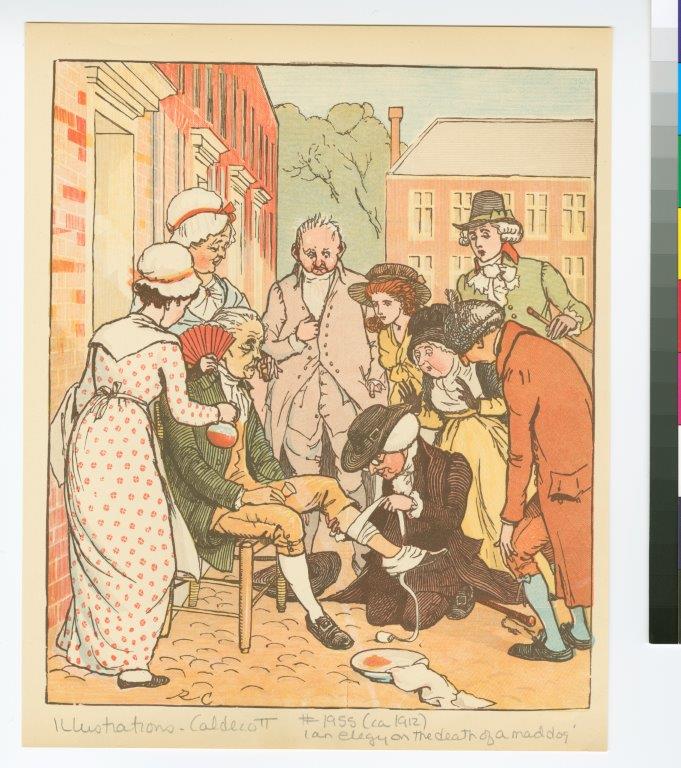
A 32-year old man was attacked by a brown bear earlier this month while hunting near Cooper Landing, Alaska. The man survived the bear attack, but then his hunting buddy shot him in the leg when trying to kill the bear. Thanks, buddy!
(No, it was not Dick Cheney.)
Nature makes its way into independent contractor status tests too, sometimes — relative nature, that is. Today’s post is about a test sometimes used in workers compensation cases.
In D.C., the test for whether someone is an employee under the workers’ comp law is a “relative nature of the work test.” States that have adopted this broad test have moved away from the more common “right to control” test.
Under this test, an employment relationship is found when (1) the work being done is an integral part of the regular business of the employer and (2) the worker, relative to the employer, does not furnish an independent business or professional service.
Here’s how D.C. courts interpret the two parts.
The first part focuses on the “nature and character of the claimant’s work or business” and requires consideration of three factors: (a) the degree of skill involved in the work in question; (b) the degree to which it is a separate calling or business; and (c) the extent to which it can be expected to carry its own accident burden.
The second part of the test focuses on the relation of the claimant’s work to the employer’s business and also requires consideration of three factors: (a) the extent to which the claimant’s work is a regular part of the employer’s regular work; (b) whether it is continuous or intermittent; and (c) whether its duration is sufficient to amount to the hiring of continuing services, as distinguished from contracting for the completion of a particular job.
In states that use this type of workers comp test, more relationships will be captured than under other, more traditional worker classification tests.
But this might not be a bad thing. The benefit of workers comp coverage for businesses is that it protects them from tort liability. In industries like construction, where injuries can be serious, coverage can be helpful. The disadvantage is that workers comp is no-fault, and you’re required to pay for the coverage.
So next time you’re hunting to see whether you might need to provide workers comp coverage to your contractor or causal laborer, remember that some states have pretty broad tests. Not broad enough to get coverage if your hunting buddy shoots you in the leg, but you get the idea.
© 2024 Todd Lebowitz, posted on WhoIsMyEmployee.com, Exploring Issues of Independent Contractor Misclassification and Joint Employment. All rights reserved.




 Have you ever had the dream where you show up at work or school in your pajamas or underwear? You’re exposed and embarrassed in the dream, and you can’t figure out why you forgot to put on regular clothes, right? (Please don’t tell me I’m the only one who’s had this dream. Please?)
 Who Is My Employee?